Hospital Bag Essentials for New Moms: Mother and Baby Checklist
A practical hospital bag checklist for Indian parents, with essentials for mother, newborn and birth partner—and tips for checking your hospital’s rules.
Baby care, childcare, and how to work with a nanny — written for parents at home. When you need booked care, explore Zipnny nanny services.
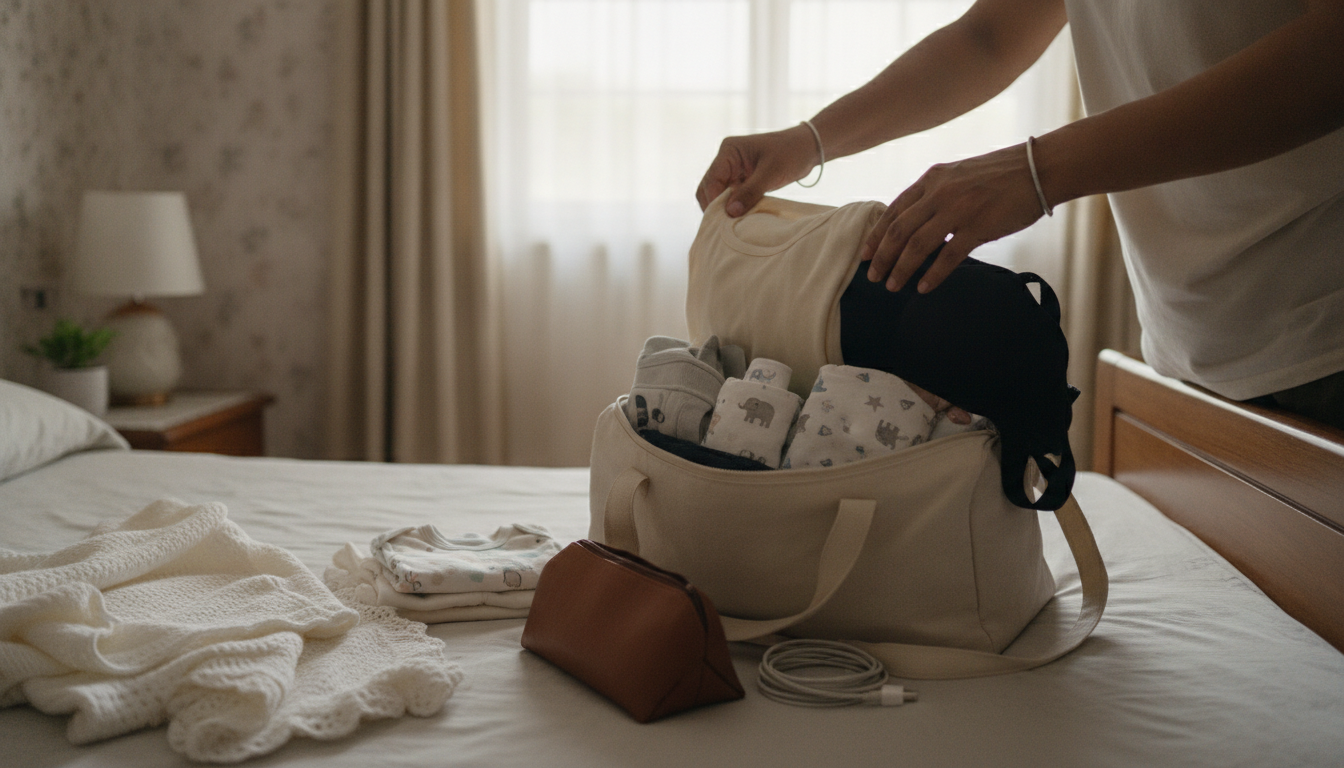
A practical hospital bag checklist for Indian parents, with essentials for mother, newborn and birth partner—and tips for checking your hospital’s rules.
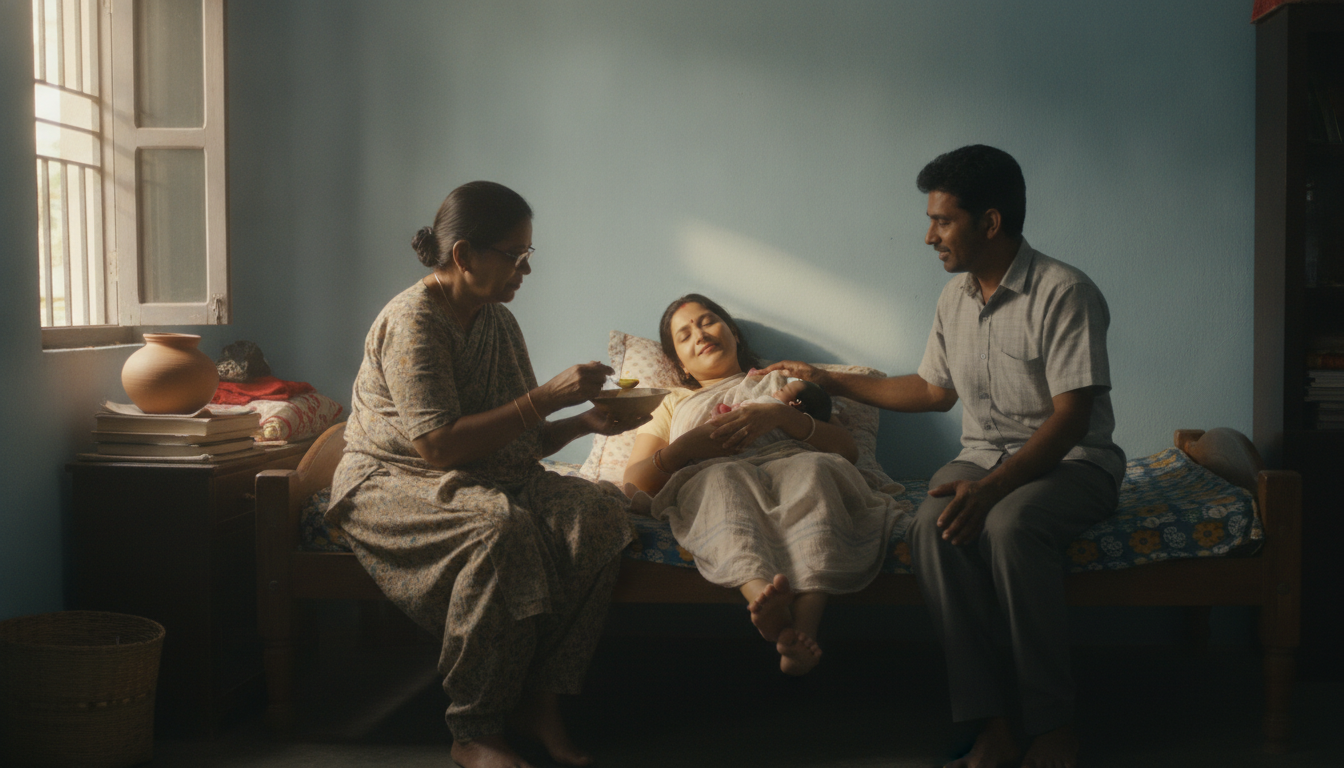
Learn when milk usually increases after birth, how a C-section may affect timing, and what signs can help you know your baby is feeding well.
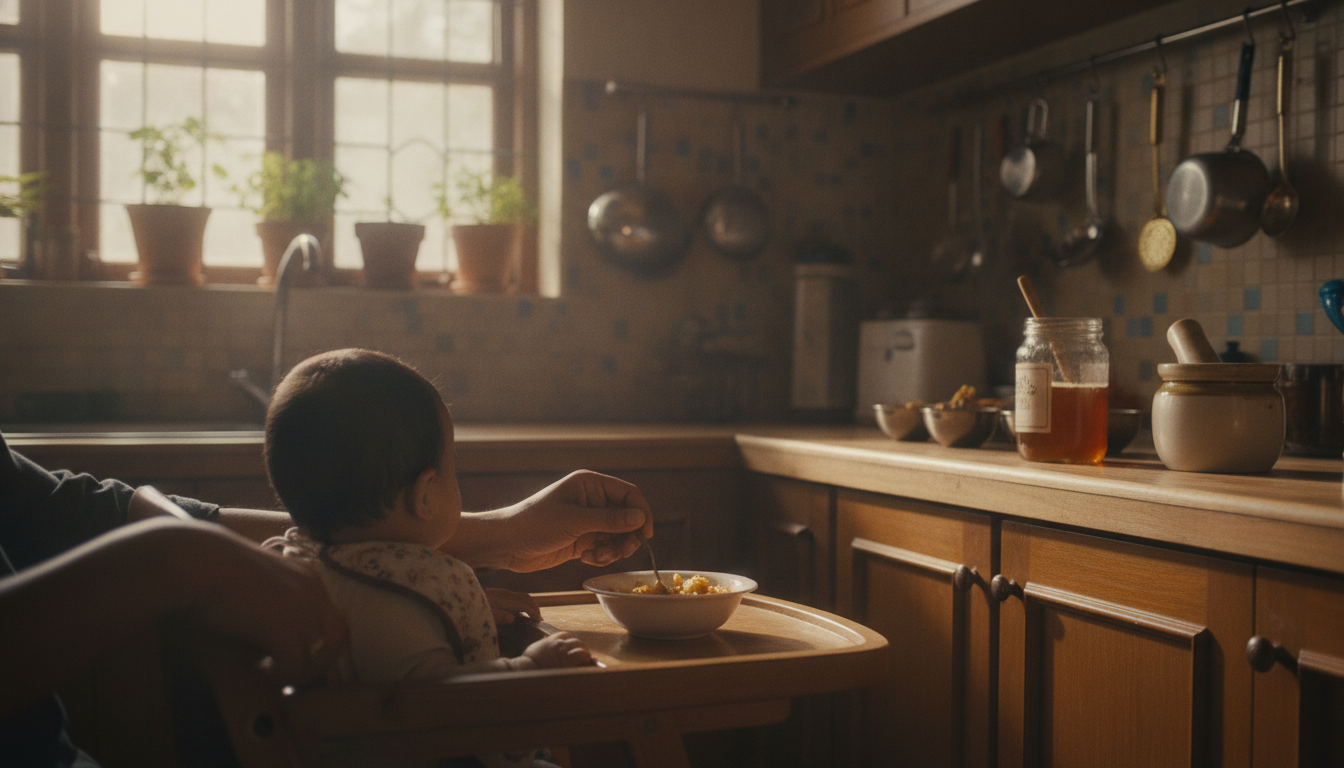
Honey can contain spores that cause infant botulism. Learn what to avoid, what to offer instead and what to do after accidental exposure.
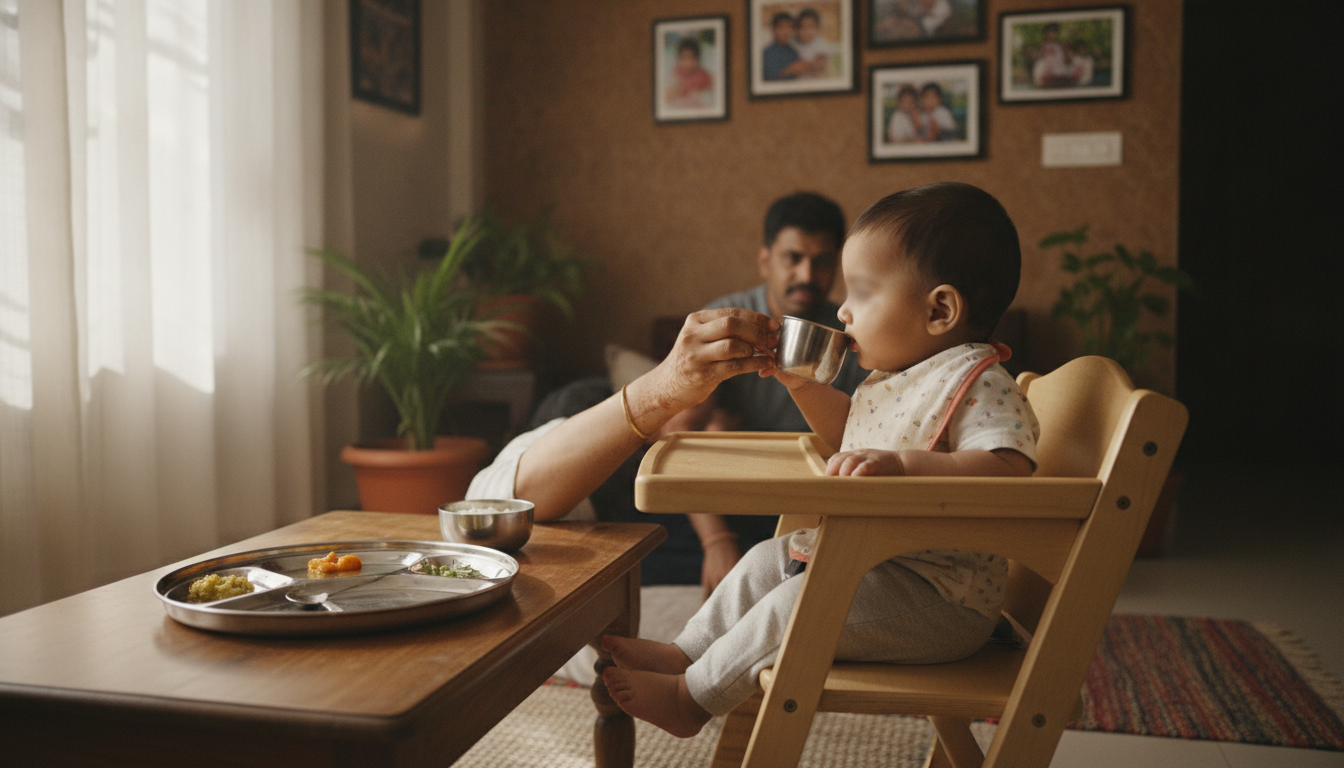
Learn when to offer water, how to introduce it safely, and why breast milk or infant formula remains essential during your baby’s first year.
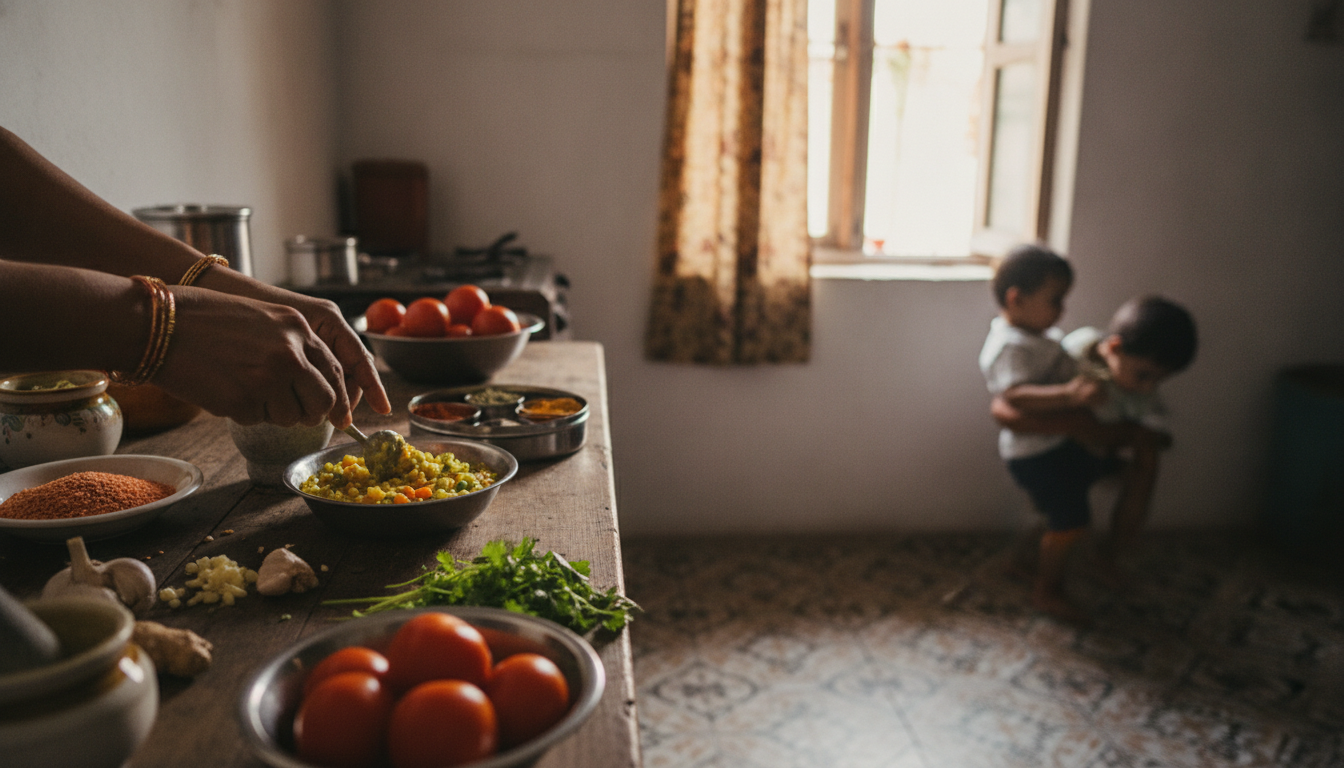
Learn why guidance advises against adding salt or sugar to babies’ foods, how to spot hidden sources, and ways to serve everyday Indian foods.

A practical guide to newborn care in the first six weeks, including bathing, gentle massage, safe sleep and signs that need medical attention.
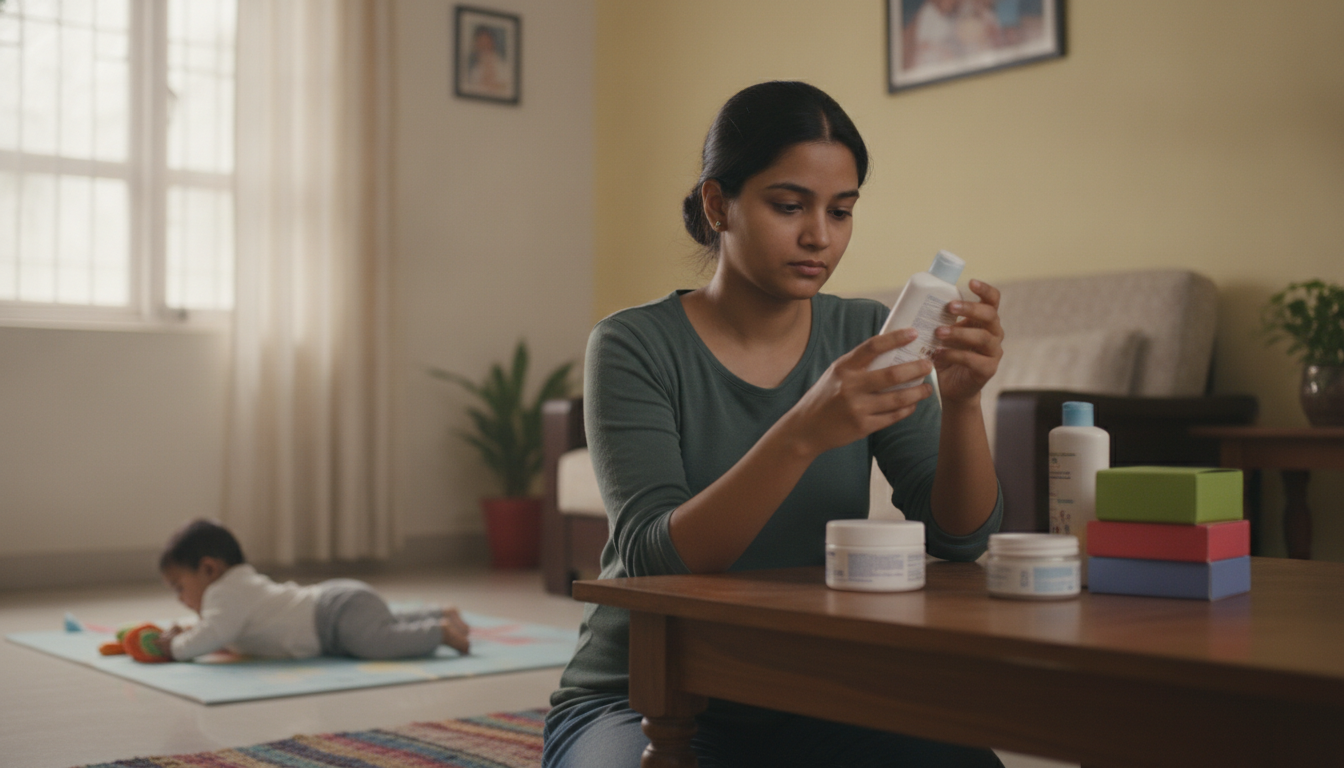
A practical guide for Indian parents to assess baby-product safety, labels, certifications and sustainability without relying on premium or “natural” claims.
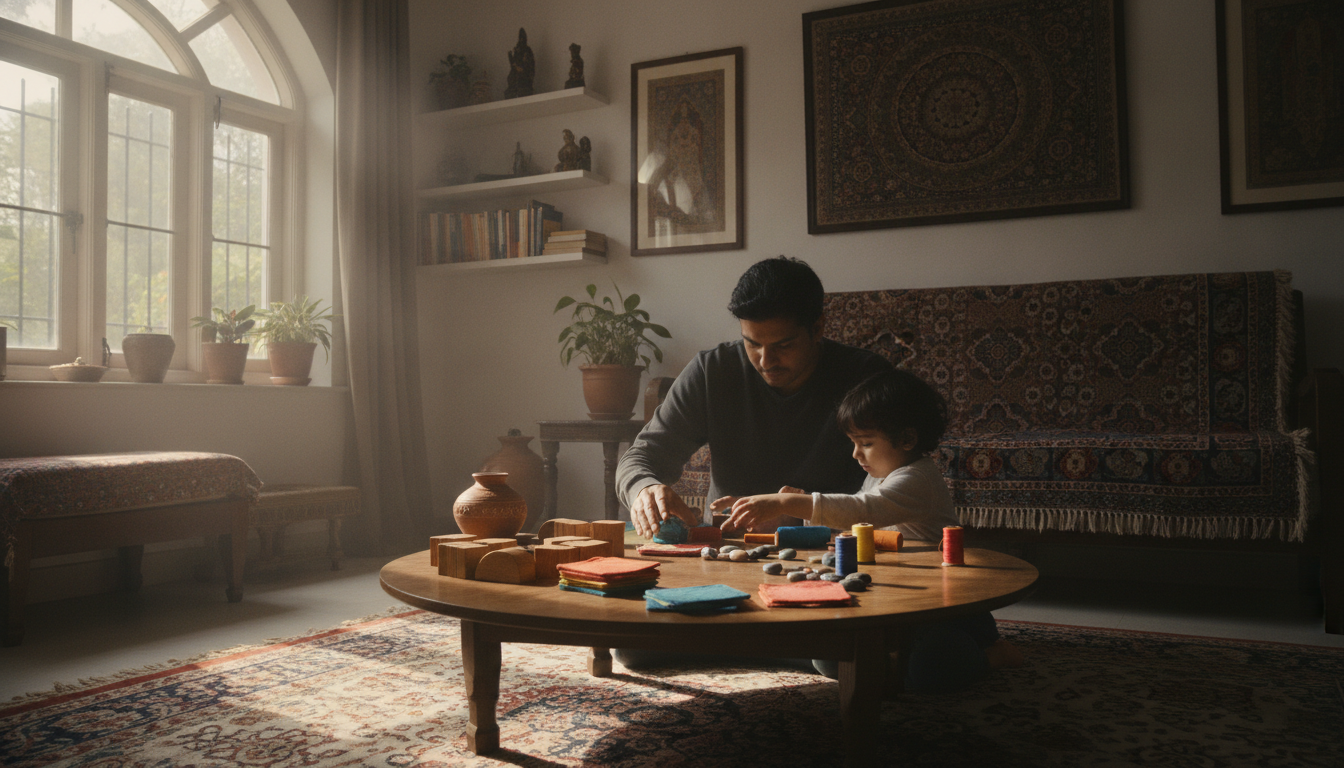
Help your child build self-belief through warm relationships, age-appropriate choices, encouragement and room to learn from mistakes.
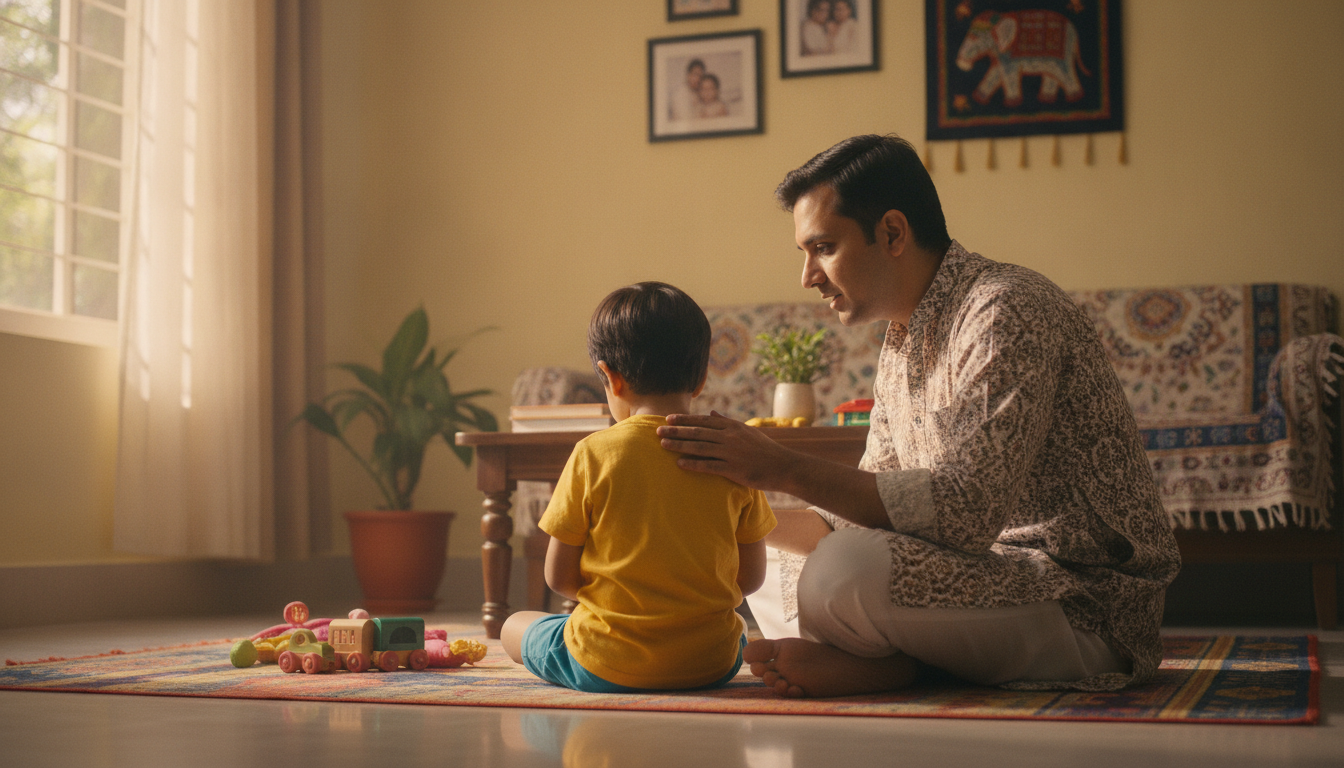
Understand why tantrums happen from infancy to age six, what to do in the moment, and practical ways families can respond consistently and calmly.
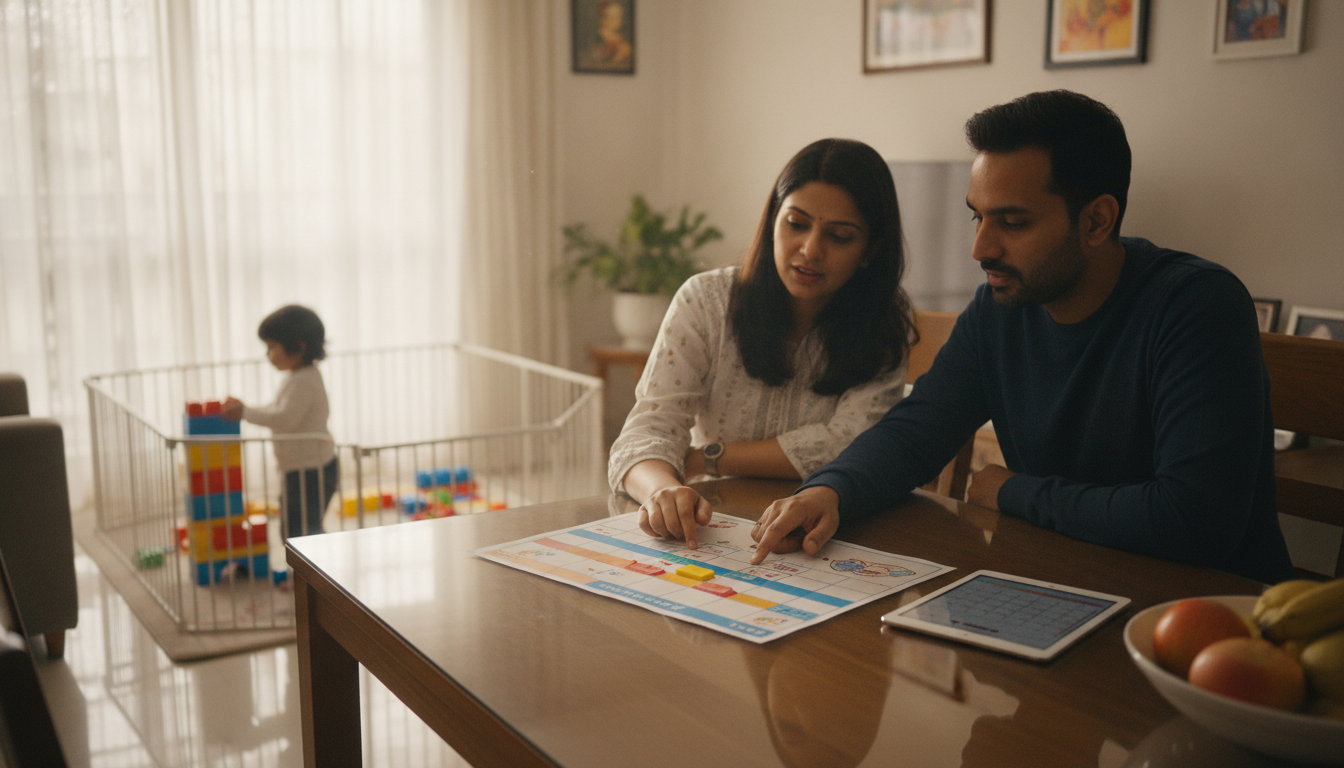
Nanny costs vary by city, hours and duties. Compare part-time, full-time live-out and live-in care, and learn what to agree before hiring.
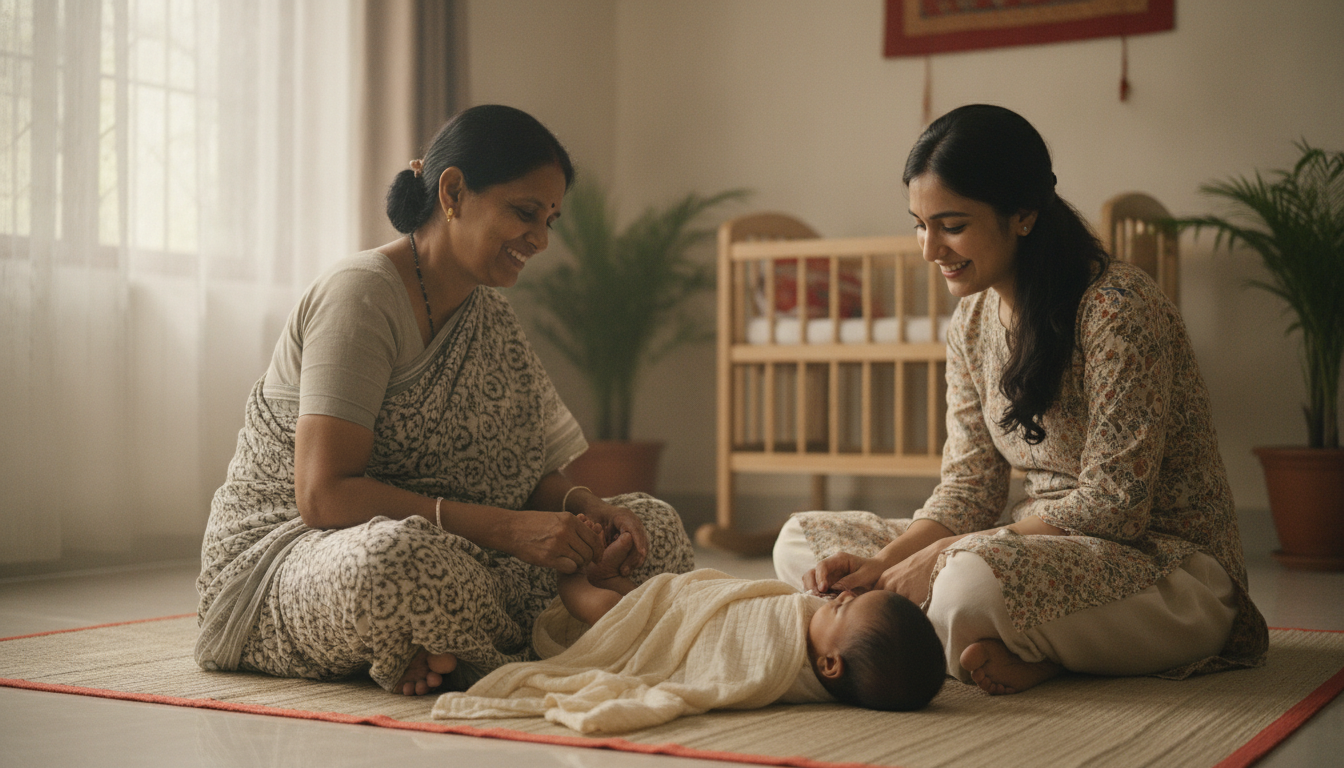
A respectful, evidence-based look at 10 baby-care beliefs—from honey and kajal to fever, walkers and home remedies.
A practical, evidence-based guide to screen-time recommendations, benefits, risks and realistic family routines for children in India.
Try simple, child-friendly Indian snacks with iron from dals, chana, seeds and fortified foods. Pair plant sources with vitamin C, and know when food advice should be backed by a doctor.
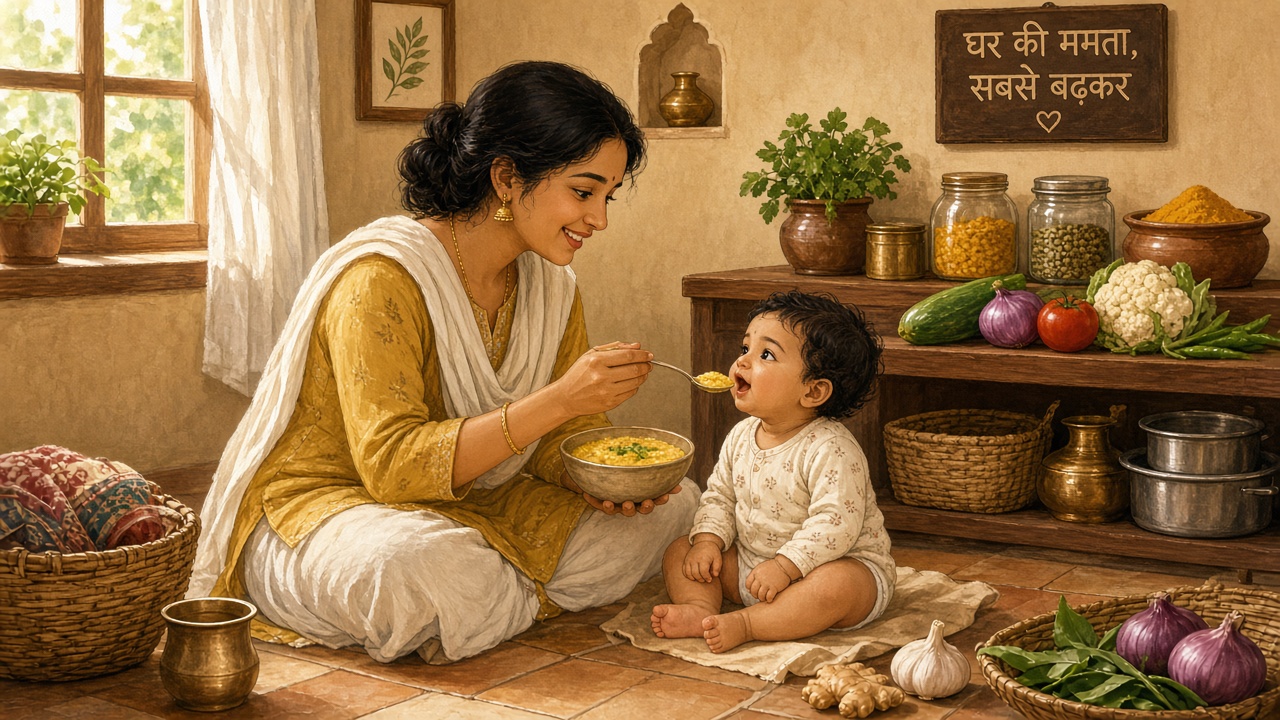
When to begin, what to offer, iron-rich Indian meals, textures by age, choking hazards, and responsive feeding—based on the WHO 2023 complementary feeding guideline.
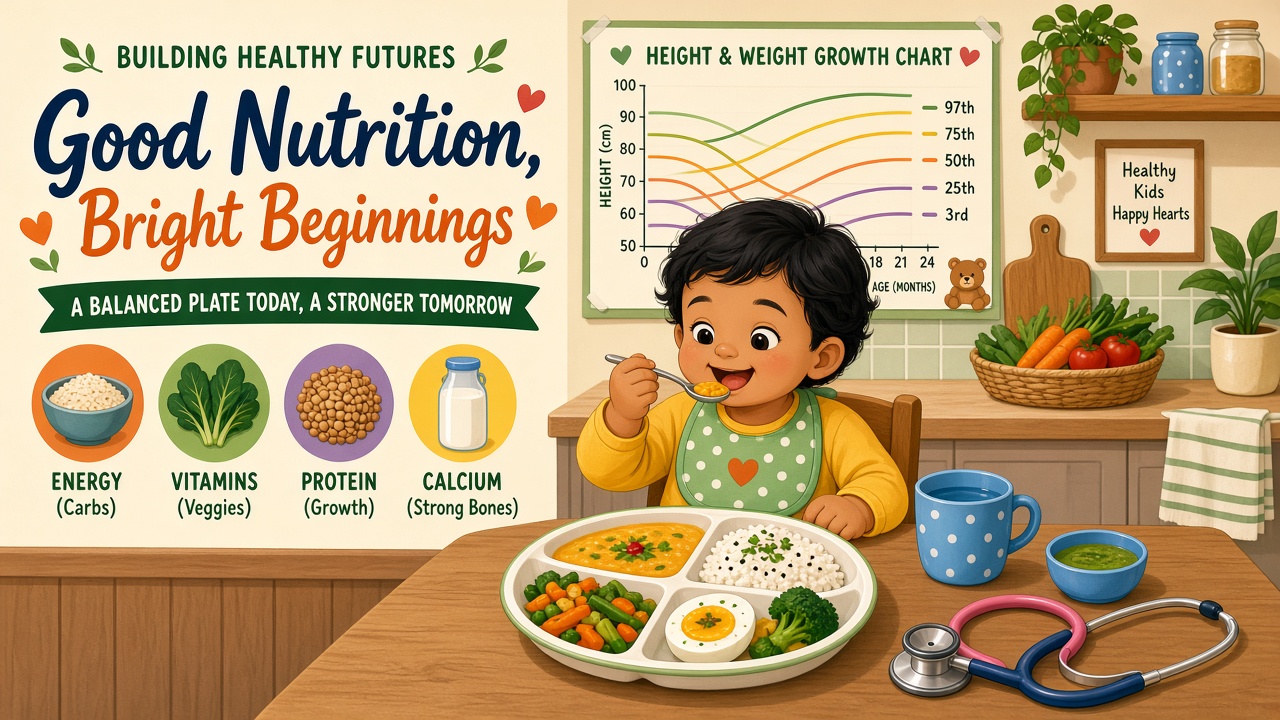
Growth charts, iron and protein sources, dietary diversity, and when to seek a medical assessment. Based on UNICEF India and NFHS-5 data.
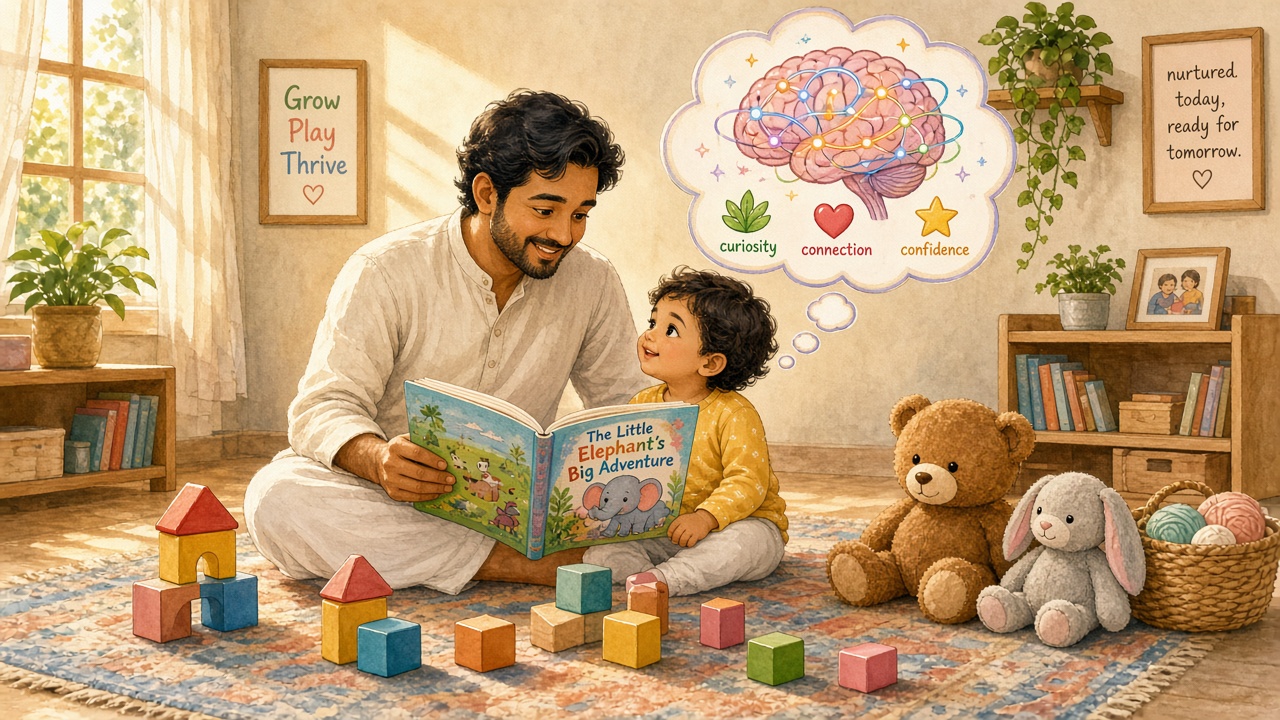
Responsive caregiving through your home language, shared play, and serve-and-return interaction. Based on the WHO early childhood development guideline.
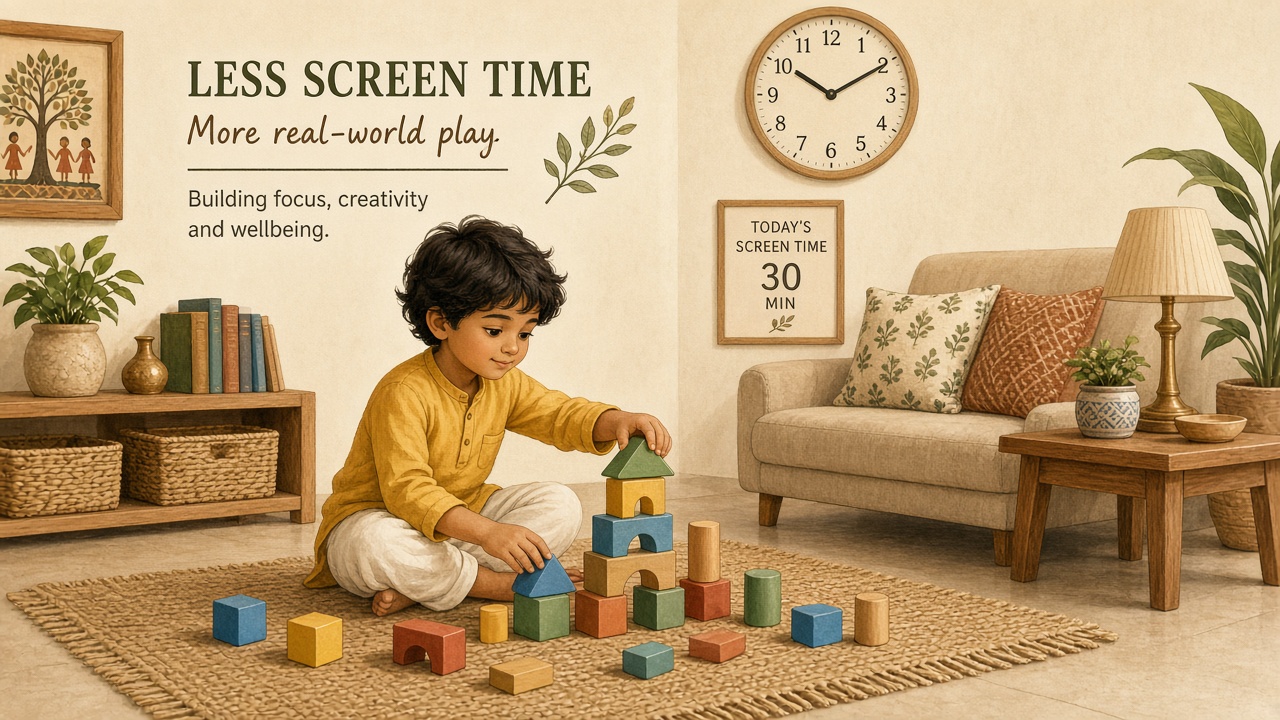
Age-specific guidance, video calls vs passive viewing, screens at meals, sleep effects, and realistic alternatives. Based on WHO 2019 guidelines.
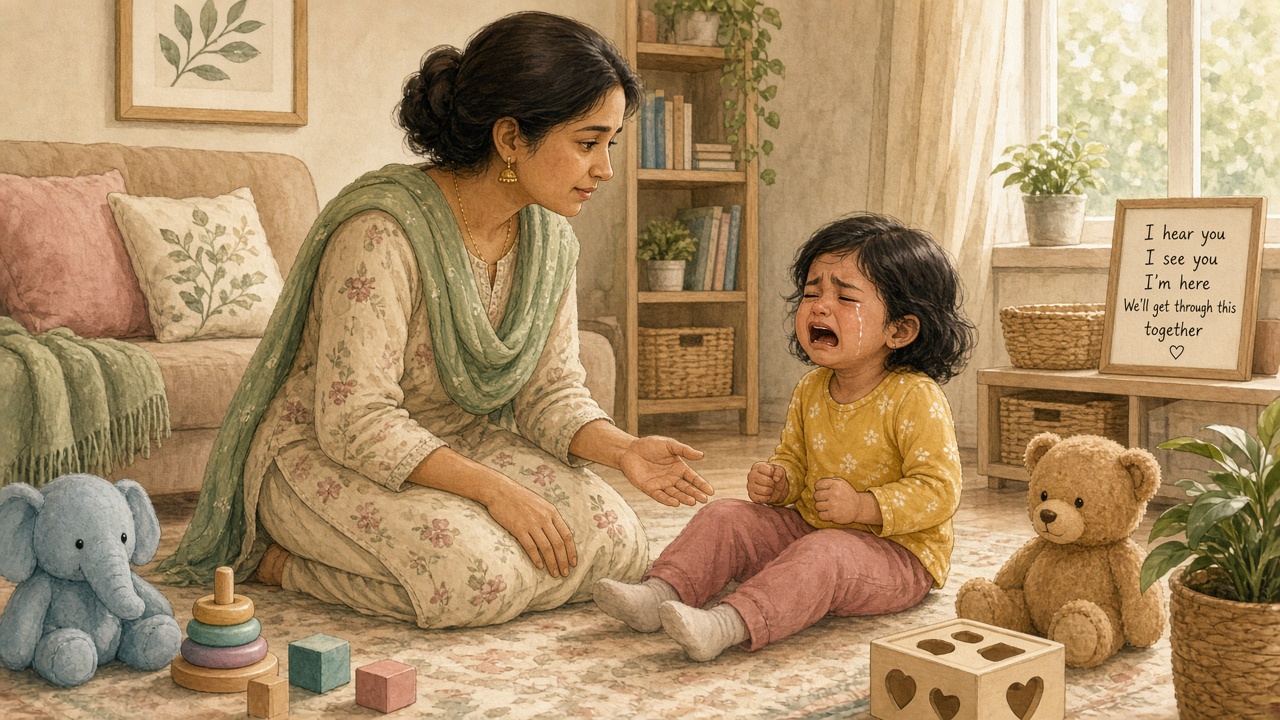
Why tantrums happen, what the WHO evidence says about corporal punishment, and six positive-discipline strategies that work in Indian families.
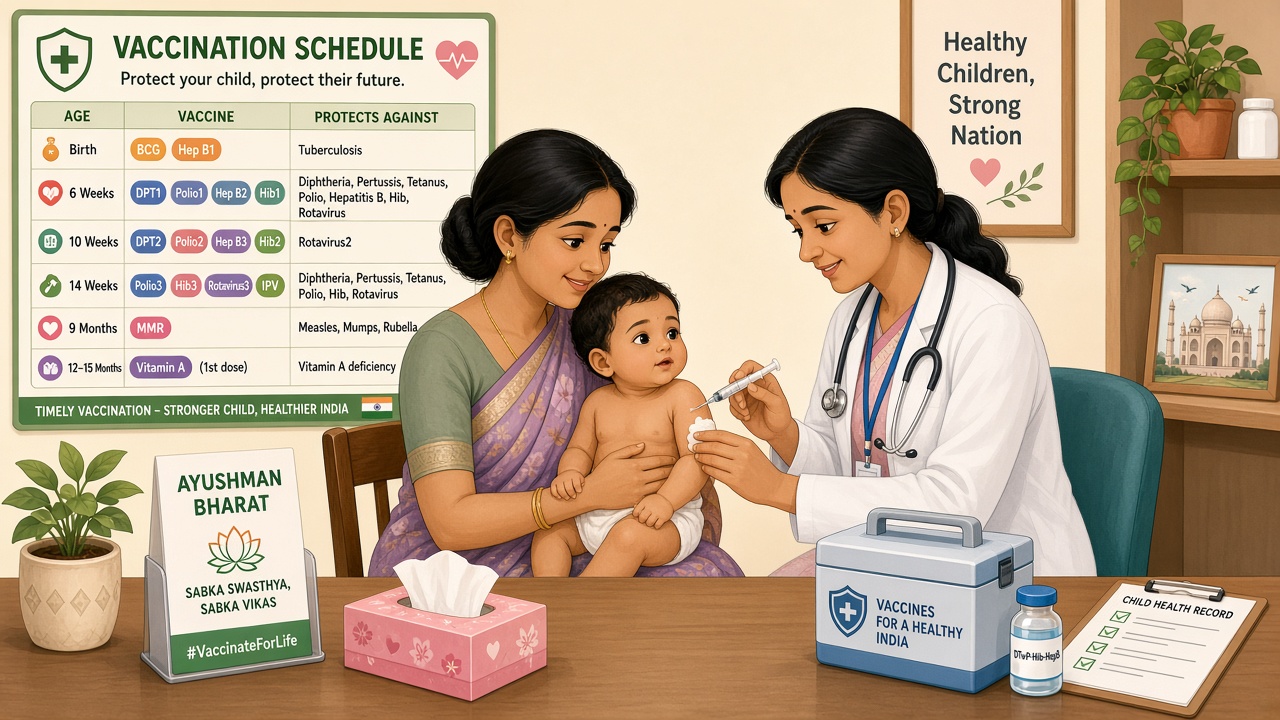
India's Universal Immunization Programme by age, tracking due dates, catching up on missed doses, and private vaccines. Verified against current official guidance.
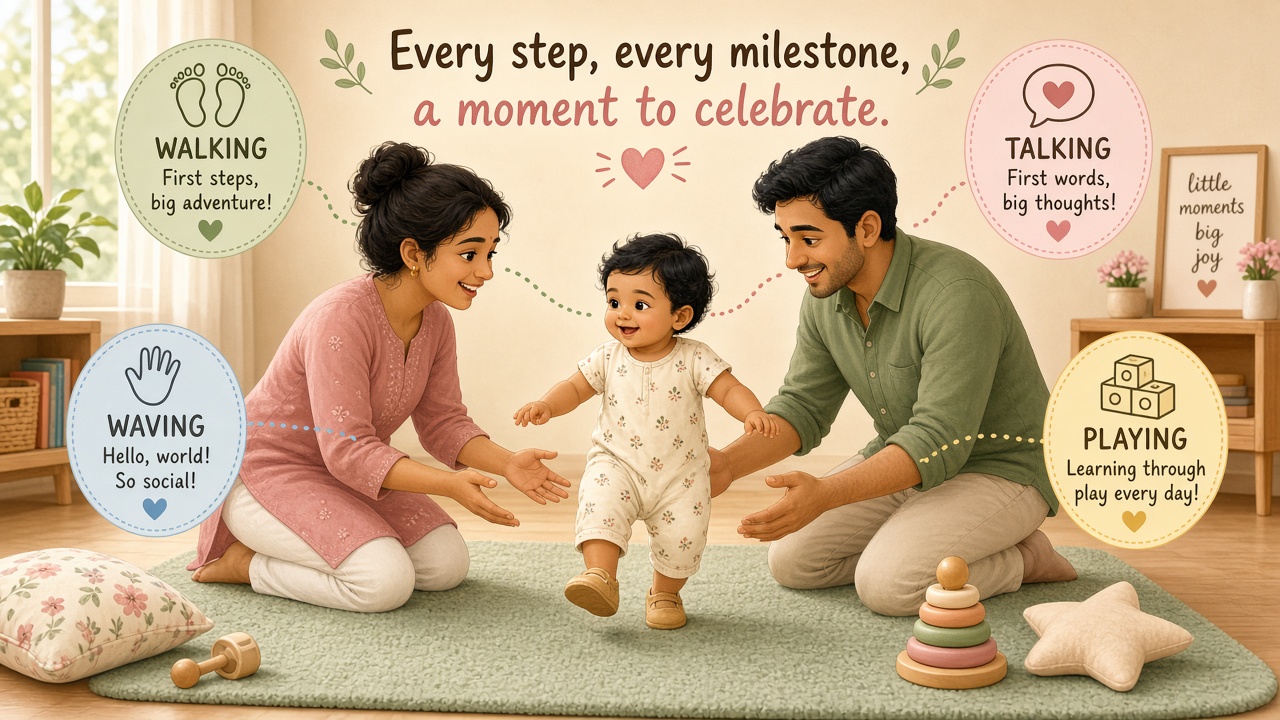
Movement, language, play, and social skills from birth to 5 years. Based on UNICEF India and WHO guidance, with clear signs that warrant professional assessment.
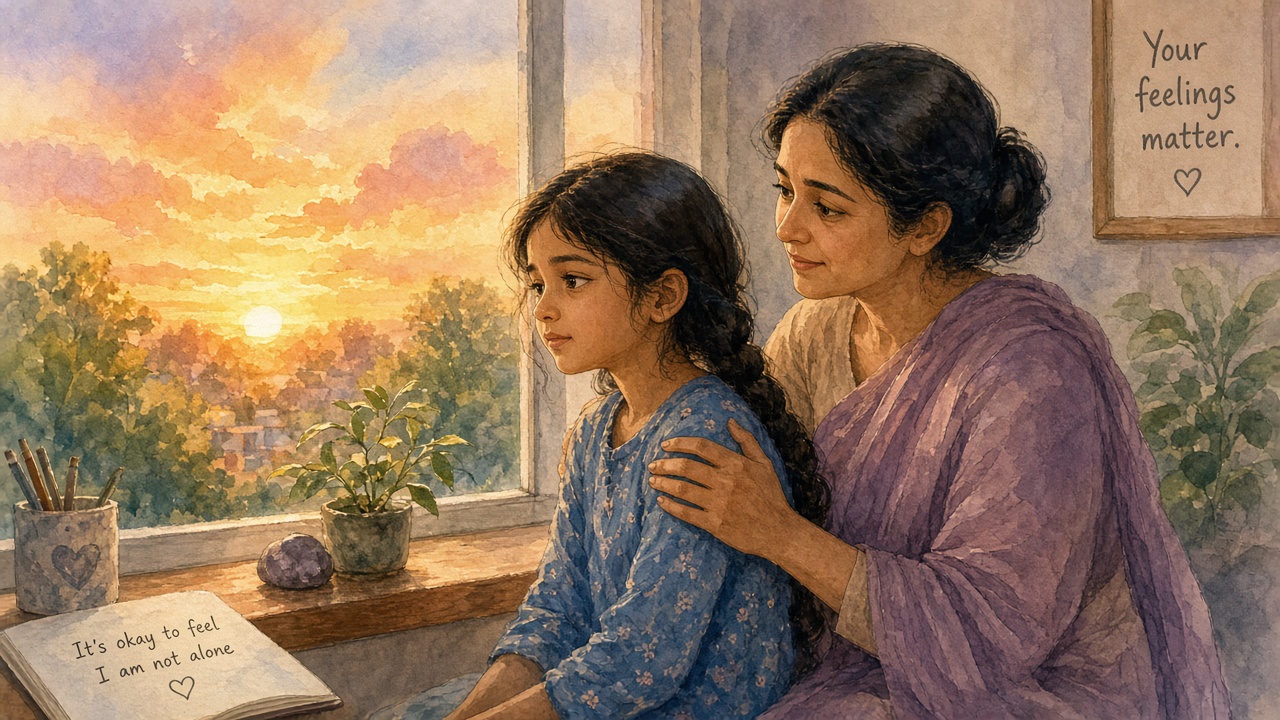
Identifying distress in children aged 5–18, having supportive conversations, responding to bullying, academic pressure, and knowing when professional help is needed.
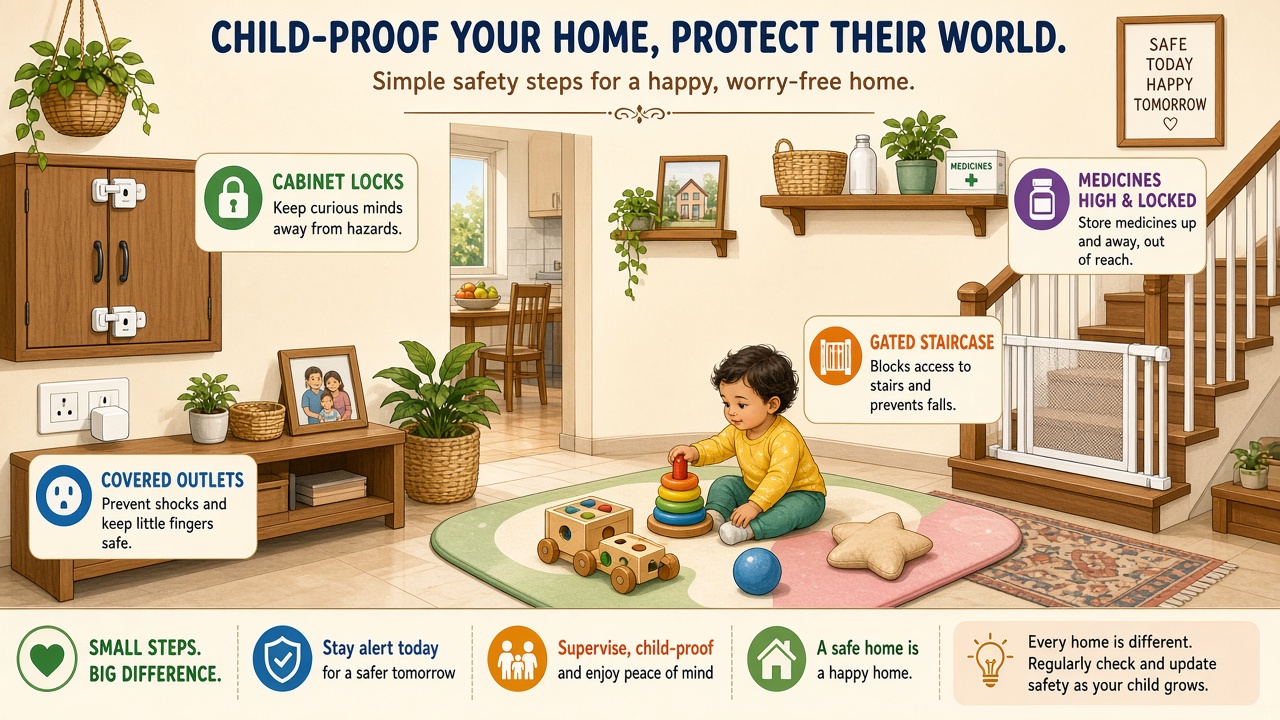
Room-by-room safety checklist for Indian homes: kitchen, bathroom, balcony, electrical hazards, water containers, and verified first-aid steps.
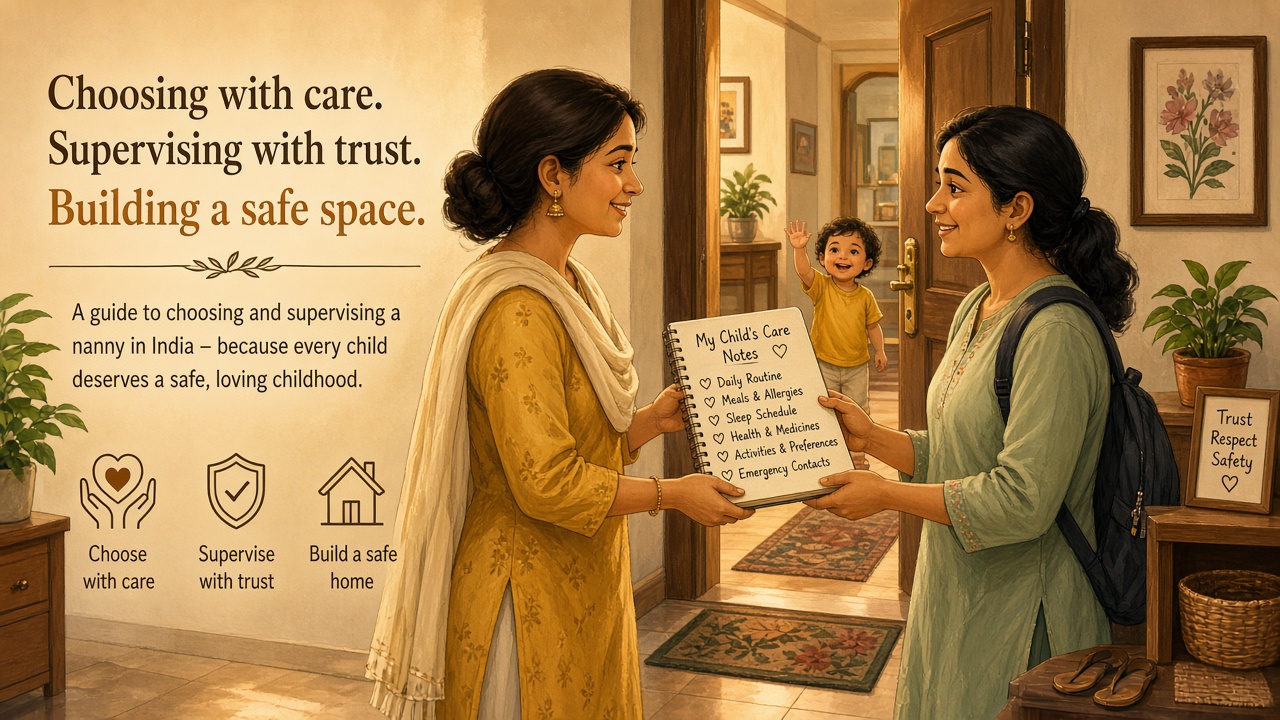
Checking references, setting expectations, sharing emergency contacts, age-appropriate supervision, respectful communication, and body-safety education for children.
No articles match that search. Try another topic.